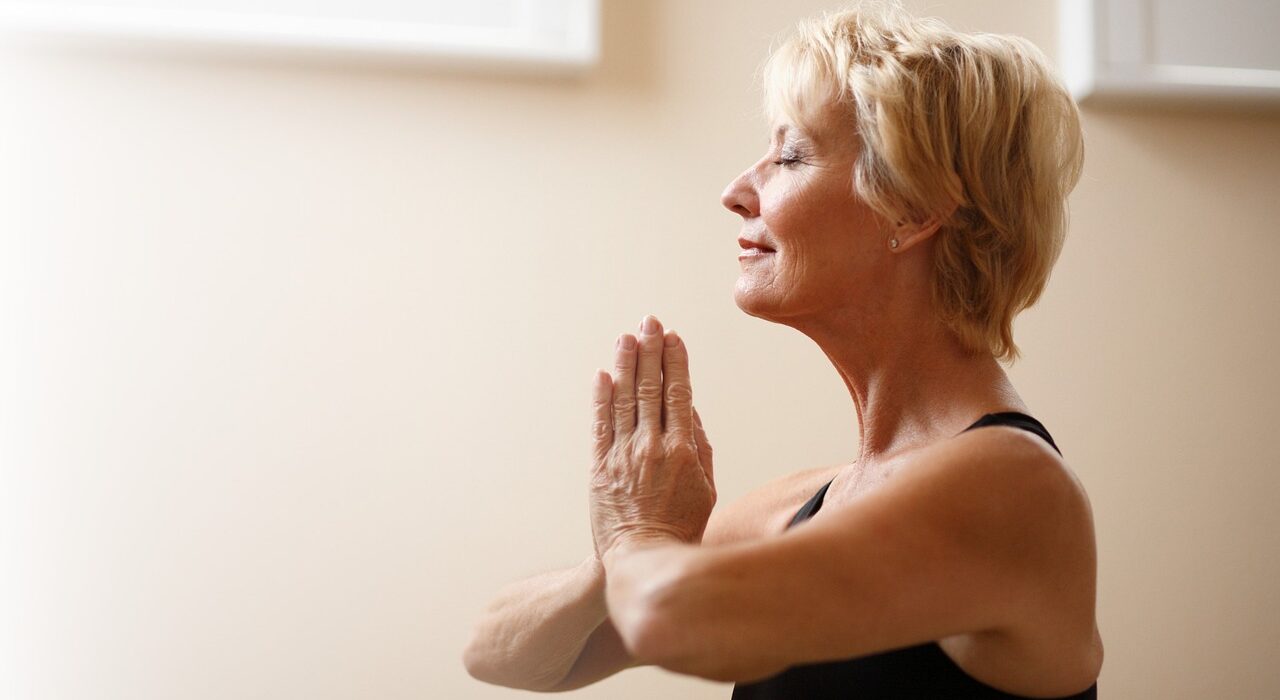
Yoga might not promise eternal youth, but it offers the strength, clarity, and balance to make every year truly vibrant.
As we age, the quest for a healthy and fulfilling life becomes more central to our daily decisions. Among the many tools for achieving wellness, yoga stands out as a practice with benefits that extend far beyond physical fitness. But can yoga actually help us live longer? While the evidence connecting yoga directly to longevity is still being debated, its impact on health and mental well-being makes it a powerful ally as we navigate the aging process.
The Stories Behind the Practice
Daisy Taylor, a centenarian from Chelmsford, England, recently celebrated her 105th birthday. When asked about her secret to a long life, she credited yoga, alongside her optimism and appreciation for the little things. Even at her advanced age, Daisy continues to practice yoga—albeit more often in a chair than on a mat. “It keeps my mind sharp and my body moving,” she shared, emphasizing how the practice has been a source of joy and resilience throughout her life.
Daisy’s experience is not unique. B.K.S. Iyengar, one of the most renowned yoga teachers of the modern era, turned to yoga as a child to recover from severe illnesses including malaria and tuberculosis. He not only survived but thrived, living to the age of 95. His teacher, Tirumalai Krishnamacharya, the founder of vinyasa yoga, lived to 100. These stories suggest that yoga can play a significant role in promoting health and vitality, even if genetics and other factors also contribute.
The Physical Benefits of Yoga
Yoga’s influence on physical health is well-documented, particularly for older adults. Research shows that yoga can improve cardiovascular health by lowering blood pressure, reducing cholesterol, and combating obesity. These benefits are critical as age-related diseases become more prevalent. Additionally, yoga helps with flexibility, balance, and strength, reducing the risk of falls and injuries—a common concern for aging individuals.
Michael, a retired firefighter from Toronto, began practicing yoga in his sixties after experiencing chronic back pain. “I was skeptical at first,” he admitted. “But after just a few months, I felt stronger and more balanced. Yoga has given me a new lease on life.” For Michael, yoga provided both physical relief and a renewed sense of confidence in his body’s capabilities.
The Mental and Emotional Dimensions
While yoga’s physical benefits are impressive, its impact on mental and emotional well-being is equally profound. Yoga combines movement with mindfulness, which has been shown to reduce stress, anxiety, and depression. Meditation, an integral part of yoga, plays a significant role in maintaining mental sharpness as we age.
Studies reveal that yoga practitioners often have larger hippocampal brain mass compared to non-yogis of the same age. The hippocampus is essential for forming new memories, and its decline is closely associated with aging. Linda, a retired school administrator in her seventies, credits yoga with keeping her mentally agile. “I’ve been practicing yoga for over twenty years, and I’m convinced it’s why I’m still learning new things and staying engaged,” she said.
Research also highlights yoga’s ability to enhance “fluid intelligence”—the capacity to solve unfamiliar problems and learn new skills. This means yoga practitioners may navigate the complexities of aging with greater ease and creativity.
Yoga and Cellular Aging
Emerging research suggests that yoga may even influence the aging process at a cellular level. A study examining telomerase activity—an enzyme that protects chromosomes and slows cellular aging—found that yoga practitioners experienced a 43% increase in telomerase activity compared to just under 4% in a relaxation group. This finding hints at yoga’s potential to delay some of the biological processes associated with aging.
Experienced yogis are also known to exhibit remarkable control over their physiological functions, such as heart rate and metabolism. This state, akin to hibernation in animals, has been associated with longer lifespans in some species. While more research is needed to confirm similar effects in humans, these studies open intriguing possibilities about yoga’s deeper impact on longevity.
Yoga as a Lifestyle Choice
Yoga often encourages practitioners to adopt healthier lifestyles, including better dietary habits and regular physical activity. These behaviors contribute to overall well-being and may indirectly support a longer life. Daisy Taylor’s story illustrates this beautifully. She describes her yoga practice as part of a broader philosophy of gratitude and moderation. “It’s not just the yoga,” she said. “It’s how yoga has shaped the way I live.”
The connection between yoga and longevity might not be about adding years to life but about adding life to years. Yoga fosters a sense of purpose, community, and inner peace, which are invaluable as we age.
Debunking the Longevity Myth
While anecdotes and correlations suggest a link between yoga and a long life, direct evidence remains elusive. A large-scale study in the United States found that yogis had a significantly lower risk of dying compared to non-yogis over an eight-year period. However, this difference disappeared when age was factored into the analysis, suggesting that younger yogis skewed the results.
This doesn’t diminish yoga’s value. Instead, it reinforces the idea that yoga is less about defying mortality and more about enhancing quality of life. As Linda observed, “Yoga hasn’t made me immortal, but it has made my life richer and more meaningful.”
Finding Your Path with Yoga
Yoga is a practice that adapts to every stage of life. For beginners, gentle styles like restorative yoga or chair yoga provide a welcoming introduction. For seasoned practitioners, advanced techniques offer ongoing challenges and growth. The beauty of yoga lies in its accessibility and versatility.
If you’re considering yoga as part of your wellness journey, start small and be patient. Consistency matters more than intensity. Michael’s advice to newcomers is simple: “Don’t worry about touching your toes. Just focus on showing up and breathing. The rest will come.”
The Takeaway
Yoga may not guarantee a longer life, but it can profoundly enrich the one you have. Its benefits—physical strength, mental clarity, emotional balance, and a healthier lifestyle—make it a valuable companion in the aging process. Daisy Taylor’s enduring practice, Michael’s pain relief, and Linda’s mental agility all point to yoga’s transformative power.
In the end, yoga’s secret isn’t longevity itself but the vitality it brings to each moment. Whether you’re a lifelong practitioner or a curious beginner, yoga invites you to embrace aging with grace, strength, and an open heart.