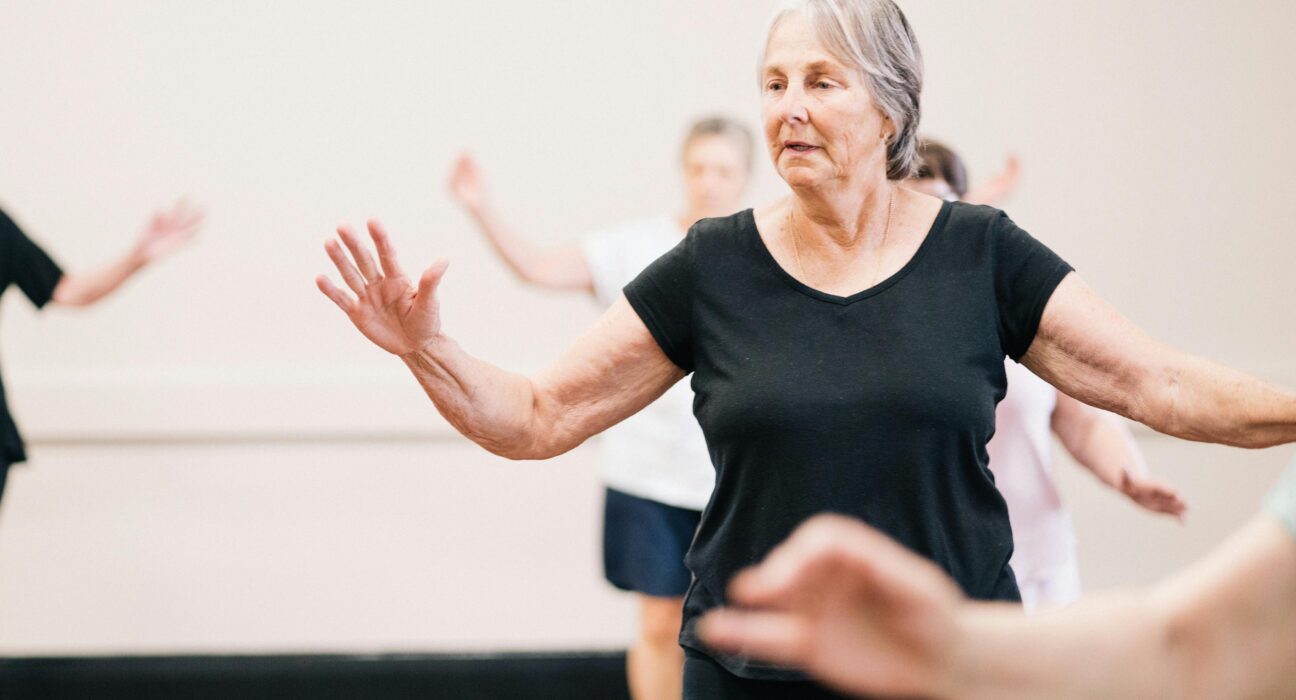
Retirement can be a wonderful time of life. It offers freedom from the rigid schedules of work, the opportunity to explore new hobbies, and the chance to spend more time with loved ones. But for many, this newfound freedom can come with unexpected challenges — one of which is maintaining health and fitness. If you feel like your health has taken a back seat since you retired, know that you’re not alone. Many retirees find themselves in this position. The good news? It’s never too late to take action.
Why Your Health Matters More Than Ever in Retirement
Being healthy and fit during retirement isn’t just about looking good or feeling energetic (though those are great perks!). It’s about ensuring you have the physical and mental capacity to fully enjoy your retirement years. From traveling and playing with grandchildren to pursuing hobbies and staying independent, your health plays a pivotal role in how you experience this phase of life.
Unfortunately, inactivity and poor diet can lead to weight gain, reduced mobility, and a higher risk of chronic conditions like heart disease, diabetes, and arthritis. But don’t let that scare you. Instead, let it motivate you.
Understanding the Barriers to Fitness in Retirement
Before diving into solutions, it’s worth acknowledging some common barriers that retirees face when it comes to health and fitness:
- Lack of structure: Without a set work schedule, it’s easy for days to drift by without physical activity.
- Feeling overwhelmed: The idea of starting a fitness routine can seem daunting, especially if you haven’t been active for a while.
- Health concerns: Existing conditions or fears of injury can make exercising feel risky.
- Mindset: After decades of hard work, some retirees feel they’ve “earned” the right to relax — which can sometimes lead to a sedentary lifestyle.
Recognizing these challenges is the first step. The second? Overcoming them.
Steps to Reclaim Your Health and Fitness
1. Start Small, Think Big
If the idea of transforming your health feels overwhelming, start small. You don’t need to run a marathon or overhaul your diet overnight. Instead, aim for incremental changes that add up over time. For example:
- Take a 10-minute walk around your neighborhood every morning.
- Swap sugary snacks for fresh fruit or nuts.
- Spend a few minutes stretching each day.
Small victories build confidence and momentum, making it easier to tackle larger goals.
2. Make Movement Enjoyable
Exercise doesn’t have to be a chore. Find activities you genuinely enjoy. Love nature? Try hiking or gardening. Prefer water? Swimming or water aerobics might be perfect. Enjoy socializing? Join a local walking group or try a beginner’s dance class.
When exercise feels like play, you’re more likely to stick with it.
3. Set Goals and Track Progress
Setting clear, achievable goals can keep you motivated. Maybe you want to walk 5 kilometers without stopping, lose 10 pounds, or reduce your cholesterol levels. Write down your goals and track your progress regularly. Seeing improvements — no matter how small — can be incredibly encouraging.
4. Prioritize Strength and Flexibility
As we age, muscle mass naturally declines, making strength training an essential part of fitness. You don’t need heavy weights or fancy equipment; bodyweight exercises like squats, wall push-ups, and chair sit-to-stands can do wonders.
Flexibility and balance exercises, such as yoga or tai chi, can also help prevent falls and improve overall mobility.
5. Reassess Your Diet
Healthy eating doesn’t have to be complicated. Focus on whole, nutrient-rich foods like fruits, vegetables, lean proteins, whole grains, and healthy fats. Limit processed foods, sugary drinks, and excessive alcohol. If you’re unsure where to start, consider consulting a dietitian who can tailor advice to your needs and preferences.
6. Build Routine into Your Days
Creating a daily or weekly routine can provide structure and ensure health-related activities don’t get overlooked. Schedule walks, workouts, or meal prep just as you would have scheduled meetings or appointments during your working life.
7. Seek Support and Accountability
You don’t have to do this alone. Enlist a workout buddy, join a fitness class, or participate in community health programs. Sharing your goals with others and receiving encouragement can make a world of difference.
The Emotional Side of Fitness
Physical health and emotional well-being are deeply interconnected. Regular exercise can boost your mood, reduce stress, and even combat depression. It provides a sense of accomplishment, fosters social connections, and gives you the energy to engage fully in life.
If you’re struggling emotionally or mentally, addressing this can be a crucial step toward improving your overall health. Practices like mindfulness, journaling, or seeking professional counseling can complement your physical fitness efforts.
Success Stories: It’s Never Too Late
Need some inspiration? Consider these examples:
- Barbara, 72: After retiring, Barbara realized she’d become too sedentary. She started walking daily, eventually joining a local hiking club. Today, she’s more active than she was in her 50s and has made wonderful friends along the way.
- John, 68: A former smoker with a history of heart disease, John decided to overhaul his lifestyle after a health scare. With his doctor’s guidance, he adopted a heart-healthy diet and began strength training. Two years later, he’s fitter than ever and enjoys playing soccer with his grandkids.
These stories highlight the incredible changes possible with commitment and perseverance.
A Holistic Approach
Health isn’t just about diet and exercise. Sleep, stress management, and regular medical check-ups are equally important. Aim for 7-9 hours of quality sleep per night, practice relaxation techniques like deep breathing or meditation, and stay up-to-date with screenings and vaccinations.
Remember: Progress, Not Perfection
Don’t aim for perfection; aim for progress. Some days will be better than others, and that’s okay. Celebrate your wins, learn from your setbacks, and keep moving forward.
Final Thoughts
Retirement is a time to savor life, and taking care of your health ensures you can do just that. Whether you’re looking to regain fitness, improve your diet, or simply feel more energetic, the steps you take today can pave the way for a healthier, happier tomorrow.
So, what are you waiting for? Lace up those sneakers, stock up on fresh produce, and take that first step. Your future self will thank you.